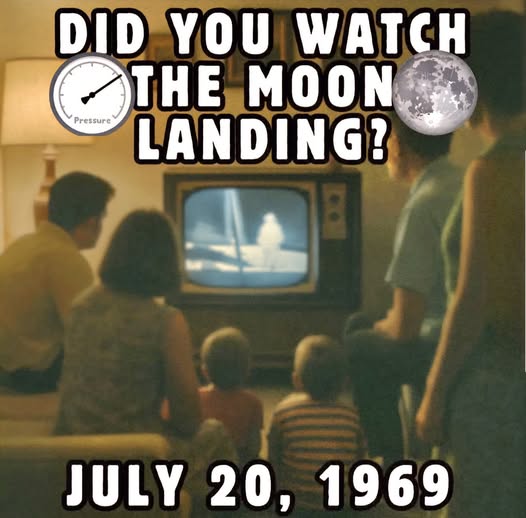
Fifty-six years ago today, while Woodstock was still a month away and the Vietnam War dominated headlines, humanity achieved something that would have seemed impossible to our grandparents: Neil Armstrong and Buzz Aldrin walked on the moon.
1969 was already quite a year. Richard Nixon had just been inaugurated as president, promising
This Day in History, March 17, 1964: Lucky the Leprechaun, the mascot of Lucky Charms cereal, was introduced in print ads and animated television commercials on St. Patrick’s Day in 1964.
Product developer John Holahan created the cereal in 1964 by combining Cheerios with chopped-up pieces of
If Florida’s checkered history seems a mite confusing, it is. This Day in History, July 13 1781, might clear things up a little.
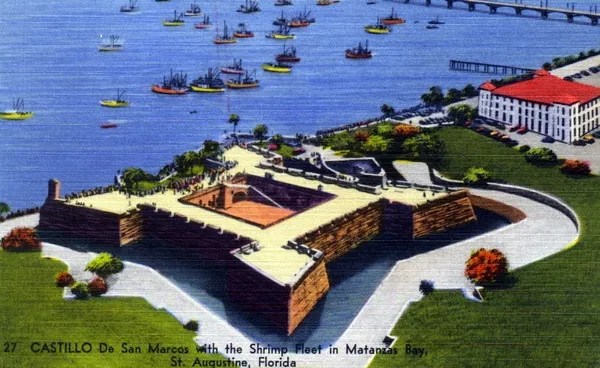
On this day, Members of the American Continental Congress recommended “relief payments” for American prisoners of war released from British captivity at St. Augustine.
Interesting. I wonder if those released prisoners had to
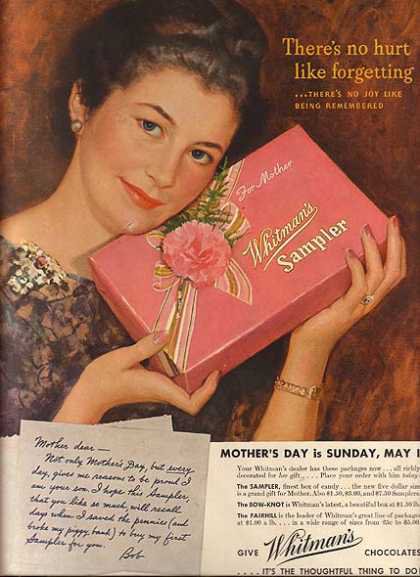
“Traditionally, the colors of the flower carry different meanings on Mother’s Day: white carnations honor the mother whose mother has died, while pink ones celebrate a mother whose mother is living.
Do you remember when boxes of Mother’s Day chocolates came in white carnation and pink carnation alternatives?
” Moms and grandmothers alike can thank Philadelphia activist Anna Jarvis for the carnation tradition — and even the holiday itself. On May 10, 1908, Jarvis sent hundreds of white carnations, her late mother’s favorite flower, to her hometown church in West Virginia for a celebration honoring all mothers. That same day, she hosted a similar event in Philadelphia.
“Over the next few years, as the number of Mother’s Day celebrations across the county increased, so did the popularity of the white carnation, which came to symbolize a mother’s love. Thanks to Jarvis’ campaigning, Mother’s Day became a national holiday in 1914 under President Woodrow Wilson.” {source}
More women associated with Mother’s Day, “Mothering Sunday”, Mothers’ Day Work Clubs, Mothers’ Friendship Day, and even a fellow dubbed “the father of Mothers’ Day,” here.
Great piece of trivia: And yes, it’s Mother’s Day (singular), not Mothers’ Day (plural) because Anna Jarvis envisioned her holiday as a personal, child to mother celebration, and she abhorred the commercialization of the day, even getting arrested while protesting. {source}
Oops! You forgot to get YOUR mother something truly meaningful to honor her? Well, then, we have a solution. How about a nice solid brick? (Sorry, Anna.)
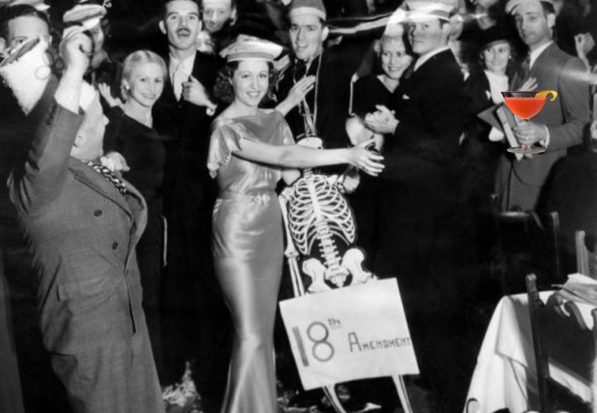
This Day in History: On December 5, 1933, the 21st Amendment was ratified. The 21st Amendment repealed the 18th Amendment of January 16, 1919, commonly called the Volstead Act ending the increasingly unpopular nationwide prohibition of alcohol.
Just a little something to ponder as we enter the peak of the hurricane season, here in 2022.
Pensacola was the scene of a massive hurricane that changed the history of North America forever, illustrating the pivotal role that such storms played and continue to play in human affairs. A weeks-old settlement of over 1000 people, who had begun to clear land and even plat out residential lots, lost
1842 – The Armed Occupation Act was passed by Congress on this date. Each settler who would settle and cultivate five acres or more of land in eastern and southern Florida for a period of five years would receive 160 acres of land and one year’s rations from the Federal government. Settlers were expected also to provide militia service, if needed, to control the activities of the warring Seminole Indians. This was the prelude to the official declaration of the end of the Second Seminole War on August 14, 1842.
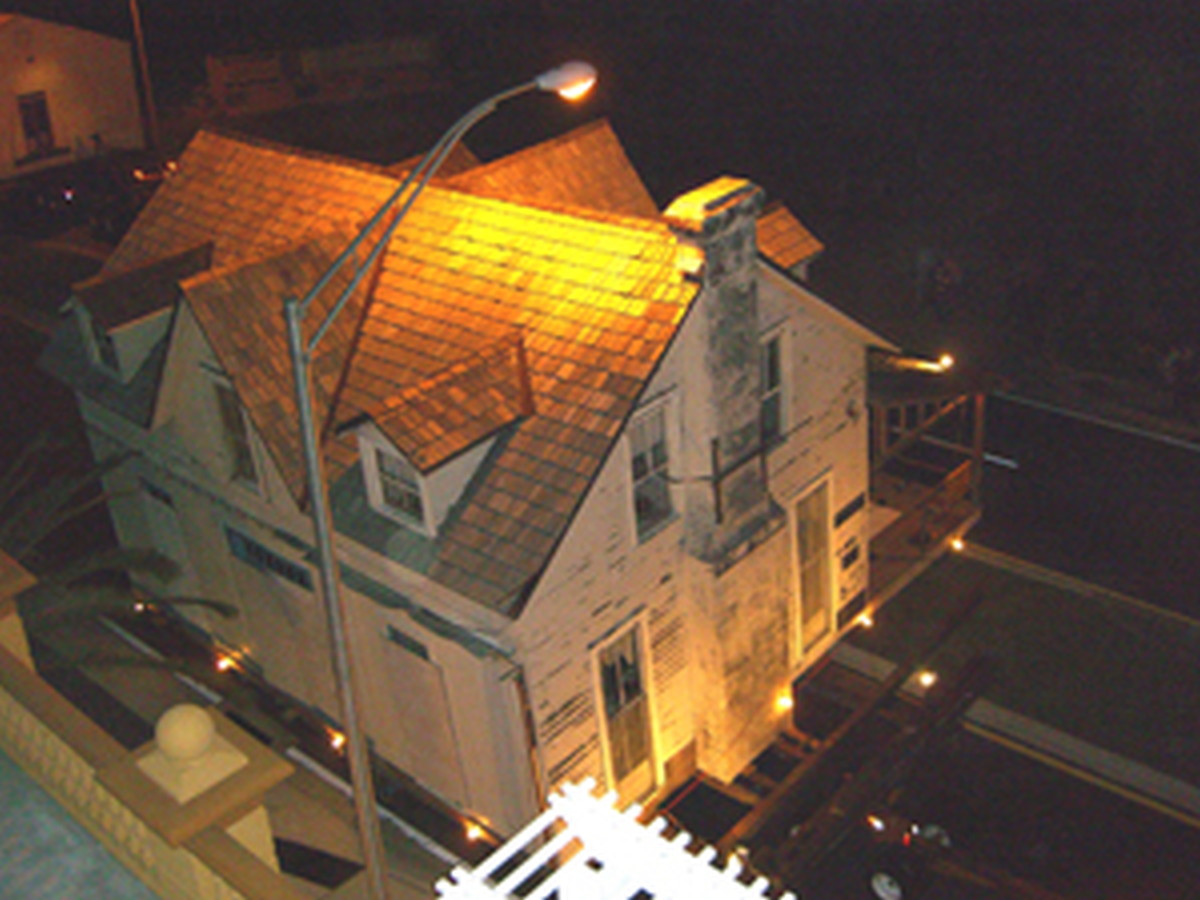
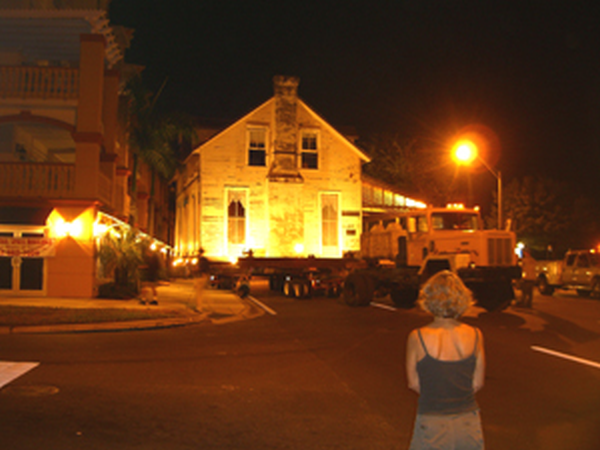
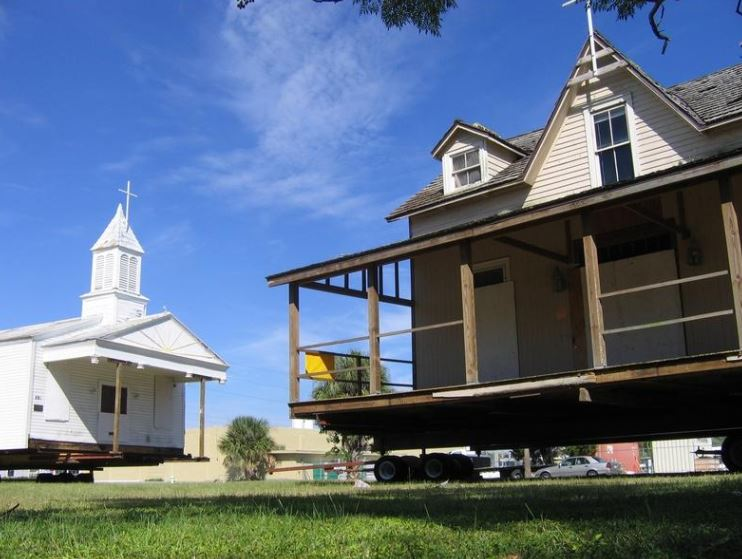
In the wee small hours of October 18 2006, you could have seen two historic buildings moving slowly, oh so slowly, through the streets of Sarasota.
That was the day in history when the Historical Society moved its buildings to Pioneer Park. Here’s the local news item:
SARASOTA October 16 2006– The 1882 Bidwell-Wood House had been scheduled to be moved from Florida Avenue to Pioneer Park early Thursday morning. But mover R.E. Johnson and Son will transport the building 24 hours earlier. Sometime between 2 and 3 a.m. on Wednesday, the Bidwell-Wood House — and the Crocker Church — will be moved from Florida Avenue, south of 10th Street, to Pioneer Park, at 12th Street and Cocoanut. The Historical Society of Sarasota County and the city of Sarasota are coordinating the project. The buildings have been up on trucks and ready to go for several days.The public is invited to follow the three-block move behind the trucks — in bathrobes and pajamas, for those who wish. Once the buildings are in place, piers will be built into the footings, which have already been poured on a high spot in the park, and then the structures will be lowered into place. The move will be videotaped for a documentary to be shown on the Discovery Channel and the National Geographic Channel.
And once the buildings were safe in Pioneer Park, all of us were walking on air.
Photo courtesy of Harold Bubil through the Herald-Tribune.
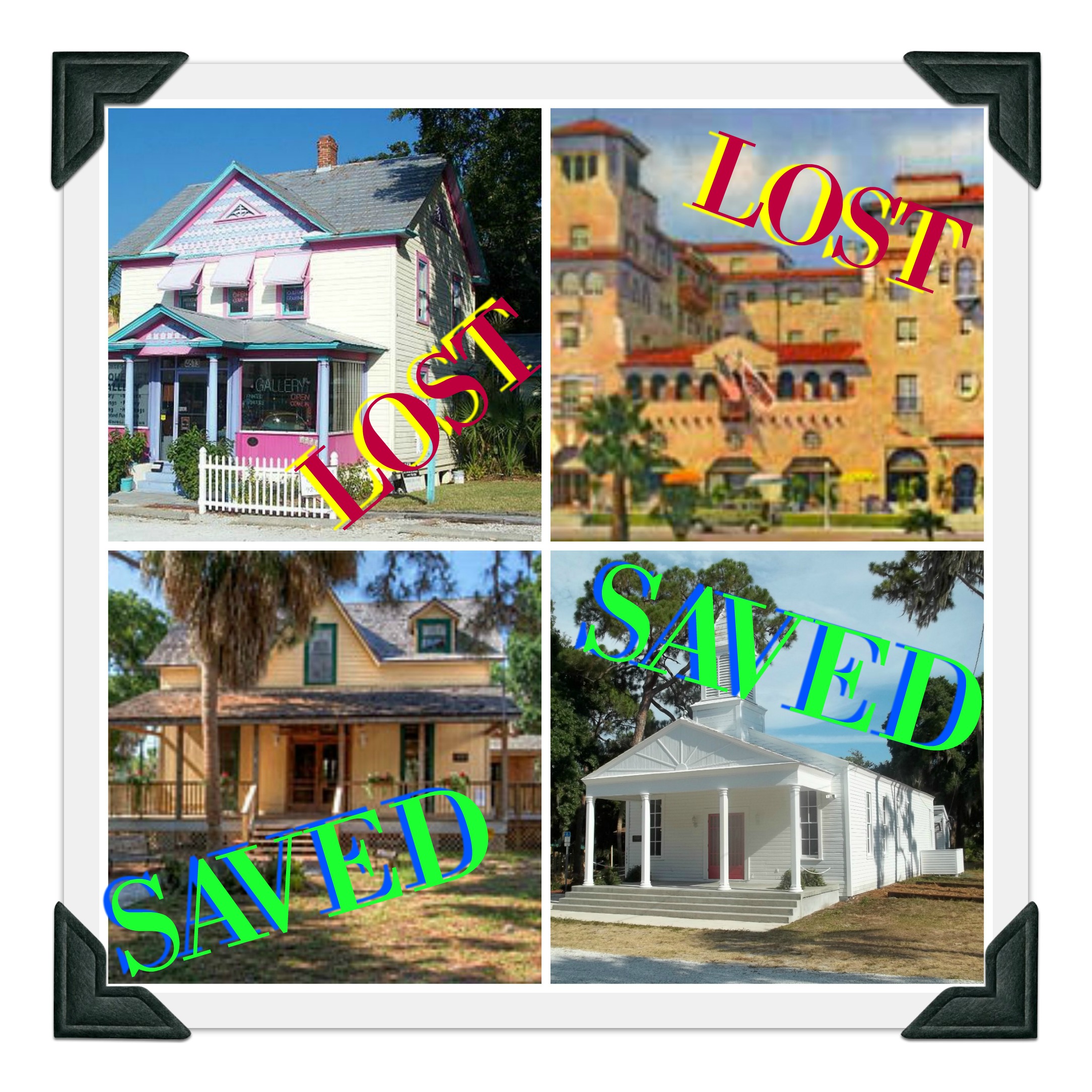
It had been a long journey, even though it was actually only a few blocks… and it would be several years before we could use the buildings to present local history, but this was a momentous day not just for HSoSC but for the entire county: two buildings saved from the wrecking ball, so that residents can understand what came before today.
This Day in History: On October 8, 1871… 150 years ago… the tragedy of the Great Chicago Fire happened.
“This city has been swept by a conflagration which has no parallel in the annals of history” wrote the Chicago papers… after they were able to start printing papers again.
“The Chicago fire has so absorbed public attention
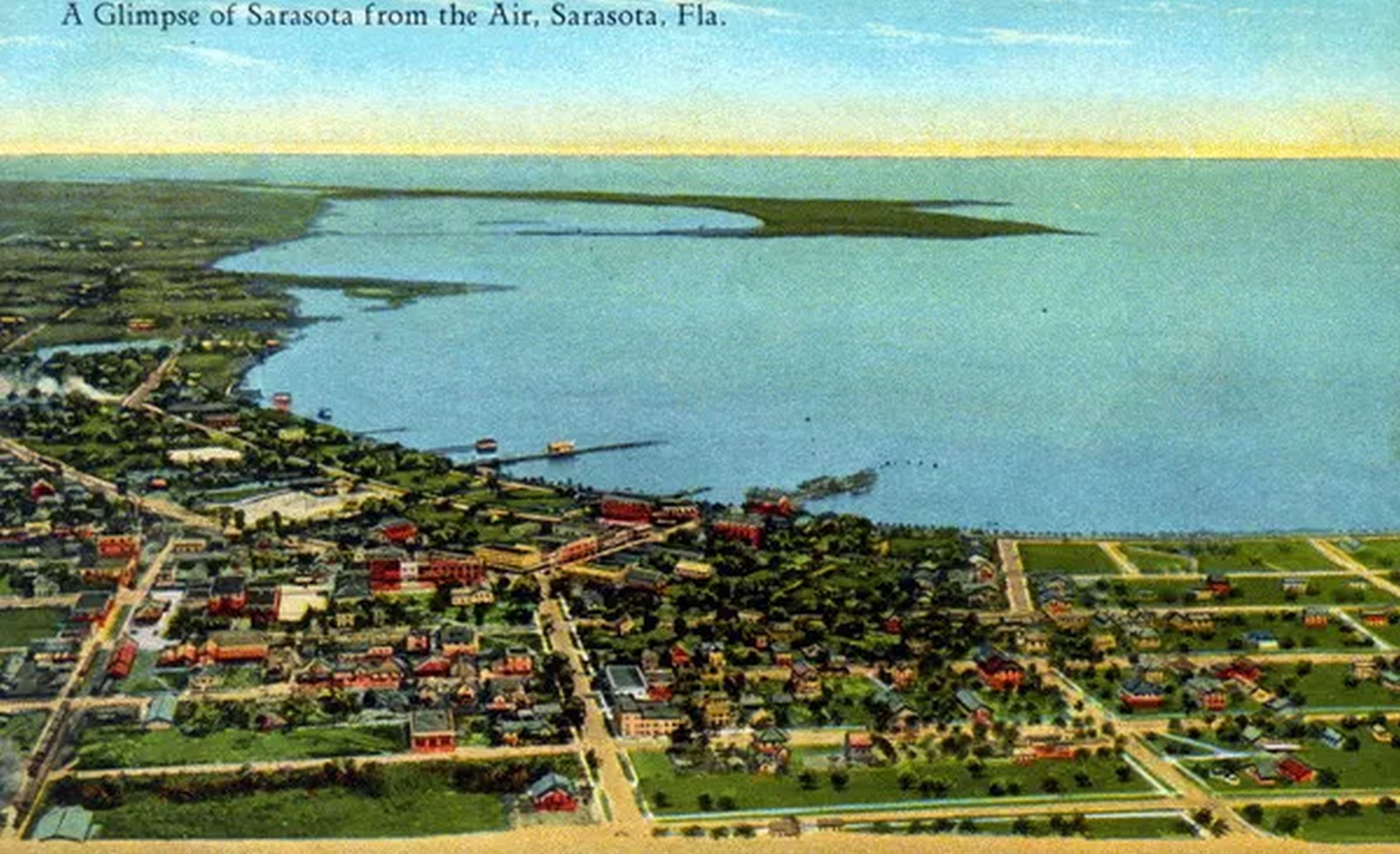
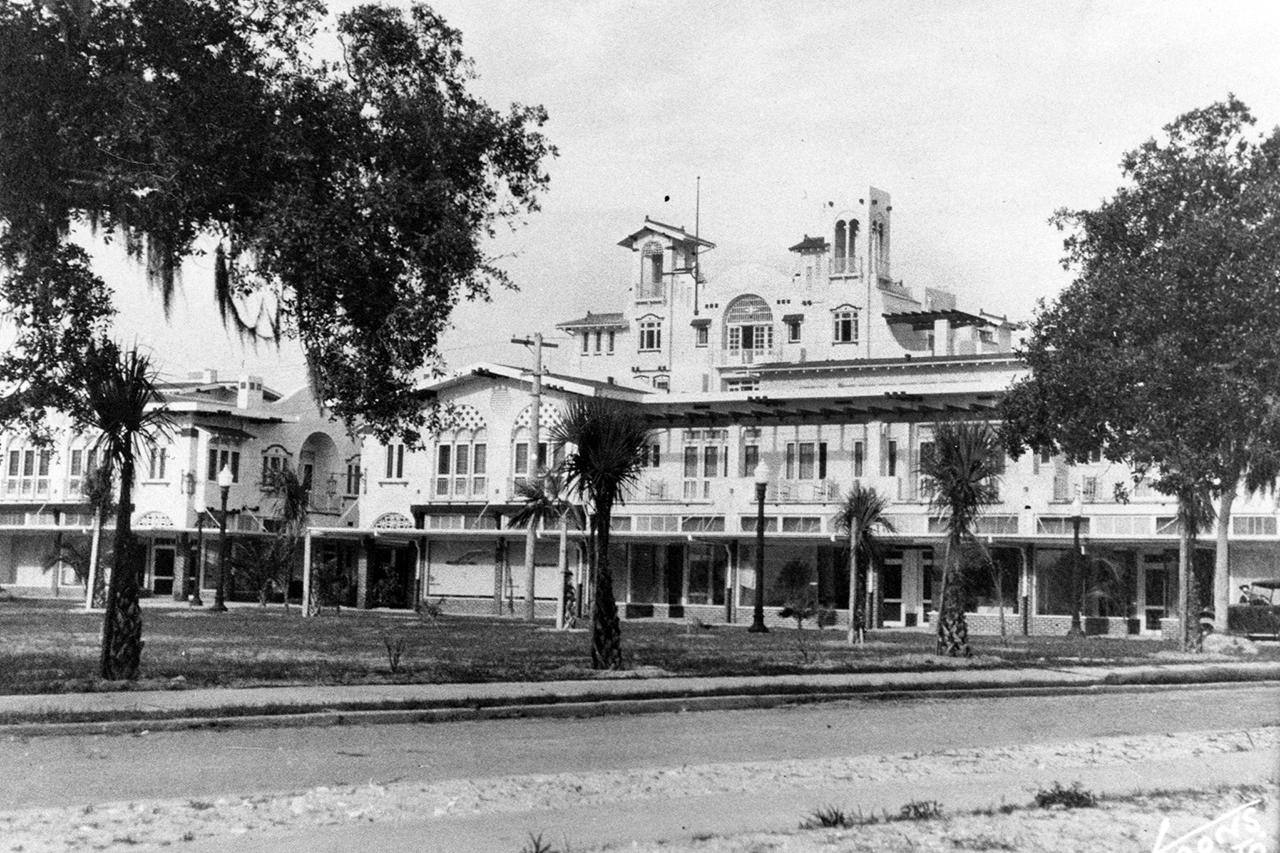
While Sarasota was still excited about becoming its own county on July 1st 1921, and celebrating the 4th in grand style, here’s the world they lived in. Some of these 1921 events might surprise you and others amuse. Isn’t history fascinating?
On July 2, 1921, President Warren Harding signed a joint congressional resolution declaring an end to America’s state of war with Germany, Austria and Hungary. (Calvin Coolidge was Vice-President in case you were wondering.)
Brave Bessie: Bessie Coleman was an early American civil aviator. She was the first African-American woman and first Native American to hold Continue reading →
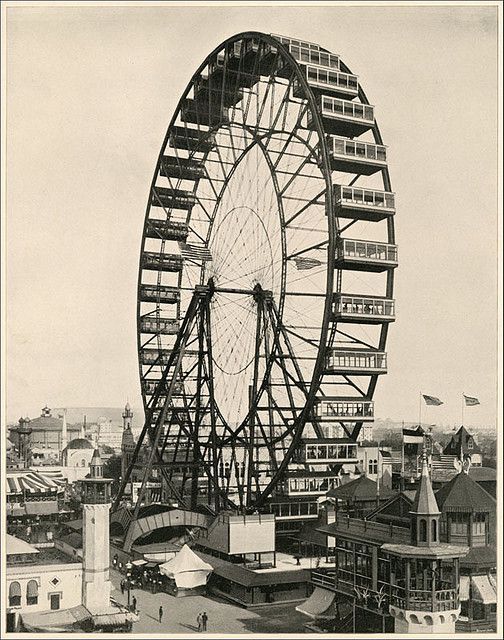
This day in history June 21 1893, features the debut of a monumental contraption that our very own Bertha Palmer, before she became the Legendary Lady of Sarasota, got the first ride on:
The Ferris Wheel!
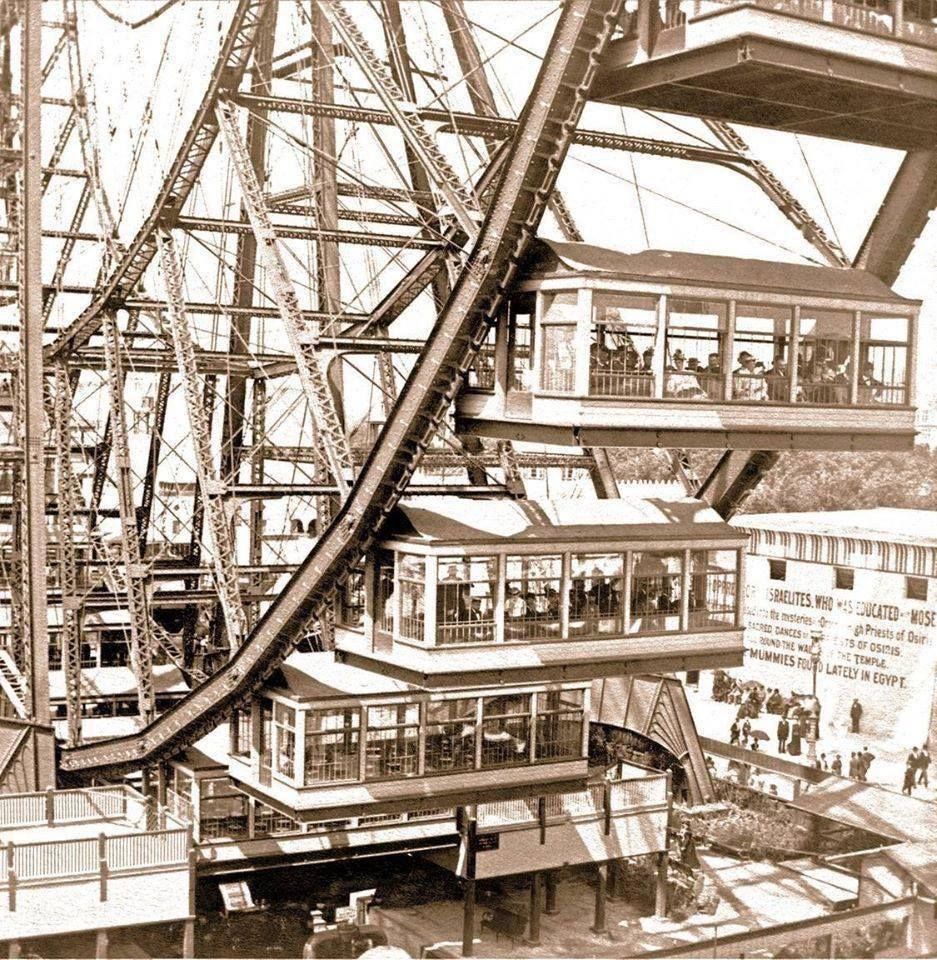
Built to one-up the Eiffel Tower of the previous World’s Fair: it’s big AND it moves!
It was big. Very big. Each car held 60 riders. It cost 50 cents to ride it. I’m guessing Bertha, as President of the Board of Lady Managers for the Columbian Exposition, Chicago’s World’s Fair, was comped.
Alas, it was dynamited and sold for scrap less than 15 years later. The mummies, next door, lasted a lot longer.
Learn more about Bertha Palmer, her life in Chicago and in Sarasota, by booking our very own Bertha Palmer to present this fascinating woman’s life story as a costumed first-person interpretation to your group or club by contacting our Site Manager Linda Garcia at hsosc1@gmail.com or 941-364-9076.
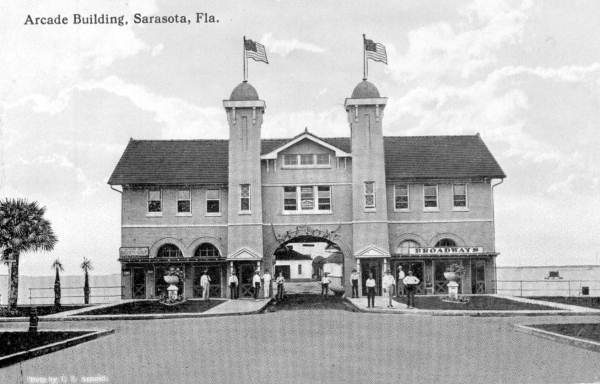
This Day in History, March 6 1917: Sarasota voters passed a bond issue by 59 to 1 to raise $40,000 to buy the Hover Arcade and Dock for the City of Sarasota. No one ‘fessed up to being the sole dissenter, but we know for sure it was a man. (Think about it.)
“Okay, now guys, be sure to stand six feet apart…”
Let’s discuss downtown property values, shall we? The original dock was












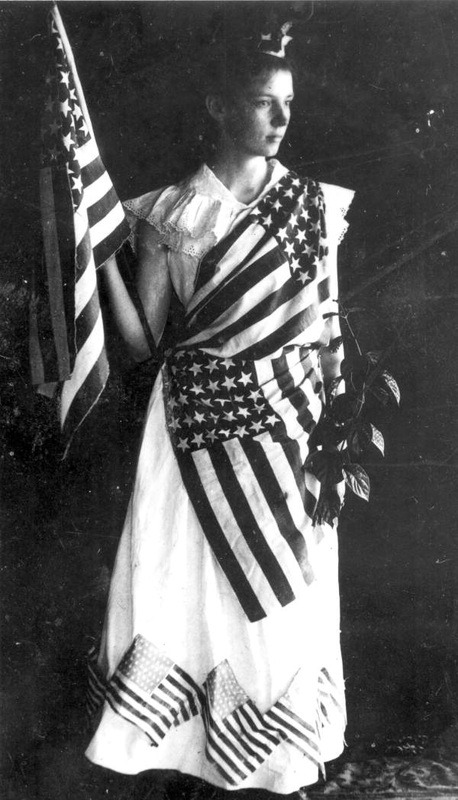 While Sarasota was still excited about becoming its own county on July 1st 1921, and celebrating the 4th in grand style, here’s the world they lived in. Some of these 1921 events might surprise you and others amuse. Isn’t history fascinating?
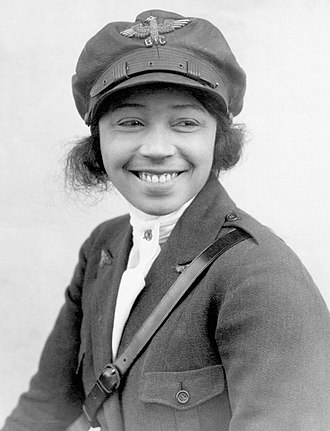 Brave Bessie: Bessie Coleman was an early American civil aviator. She was the first African-American woman and first Native American to hold



 The Historical Society of Sarasota County