The more things change, the more they remain the same.
Didn’t it used to be Decoration Day? And wasn’t it always May 30th? And weren’t there crepe paper poppies from the American Legion?
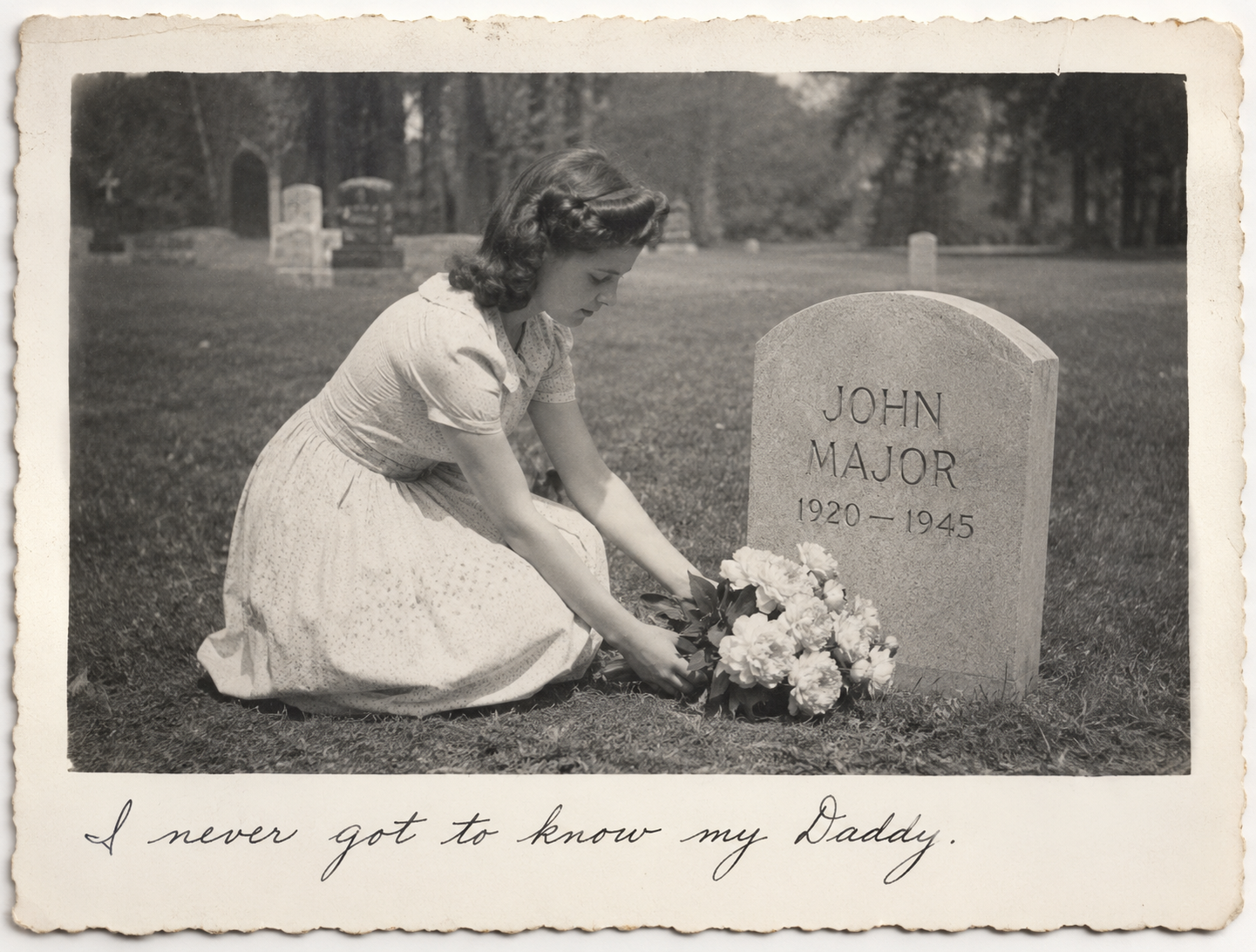
Yes and yes. And yes.*
Going back to the origins of the commemoration of fallen soldiers: It
originated in the aftermath of the Civil War, when families on both sides, North and South, came together to lay flowers on the graves of the fallen.
Some records show that one of the earliest organized commemorations occurred in May 1865, when free African-Americans in Charleston, SC, reburied former Union prisoners of war and held a dedication ceremony. More on this forgotten event.
In 1868, the Grand Army of the Republic, an organization of Union army veterans, formally established Decoration Day as a time for the nation to decorate soldiers’ graves with flowers. May 30 was chosen specifically because flowers would be in bloom all over the country by then.
Originally the holiday honored only Civil War dead. After World War I, it expanded to commemorate fallen soldiers from all American wars. The day was officially called Decoration Day for decades. Then in 1968, Congress passed the Uniform Monday Holiday Act, moving the observance to the last Monday in May. It was deemed Memorial Day in 1971.
Things change, but in essence they remain the same.
No matter what we call it, we will never run out of graves to decorate or people to mourn.
Since World War I, more than 430,000 American service members have died in combat. To include and honor all wartime deaths of soldiers from associated causes such as disease, accidents, training crashes, the number since WWI is much higher, around over 620,000.
The flag tradition of Memorial Day stays the same and speaks to hope for the future: The flag is raised briskly to the top of the pole in the morning, then slowly lowered to half-staff, where it stays until noon. Then it flies high for the rest of the day.
*Re poppies: https://hsosc.com/2022/05/30/in-flanders-field/
Photo created with AI.


