The nickname ‘Uncle Sam’ for the United States originated during the War of 1812 when a newspaper published the story of Samuel Wilson, a meat packer from Troy, New York, who marked beef barrels for the army with ‘U.S.’ Soldiers associated the initials with ‘Uncle Sam,’ and the term became a popular moniker for the federal government.

Most of us associate the image of Uncle Sam with posters encouraging Americans to help with the finances of World War I, or with recruitment posters: “Uncle Sam Wants YOU!” is practically a real-life meme.
The story of Samuel Wilson, a meatpacker, marking his
barrels of meat with US, seems to be the agreed-upon progenitor of Uncle Sam. So much so, there’s a Congressional resolution and even a statue of Sam in Arlington, Massachusetts, his birthplace.
But Uncle Sam, personifying the US and its not-always-humorous actions, has also been a standard in political cartoons.
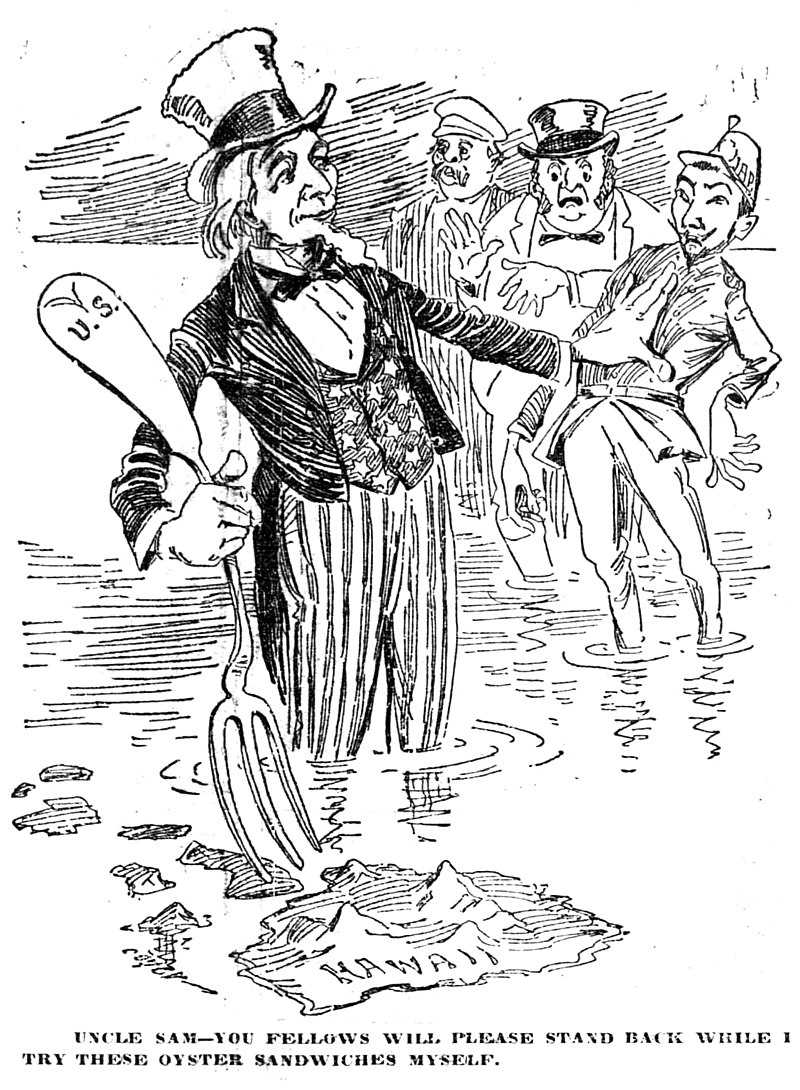
Above, how the US annexed the Hawaiian Islands despite the interests of other counries; Uncle Sam also showed up in other conflicts and quarrels as seen in this collection of Uncle Sam through 15 decades.
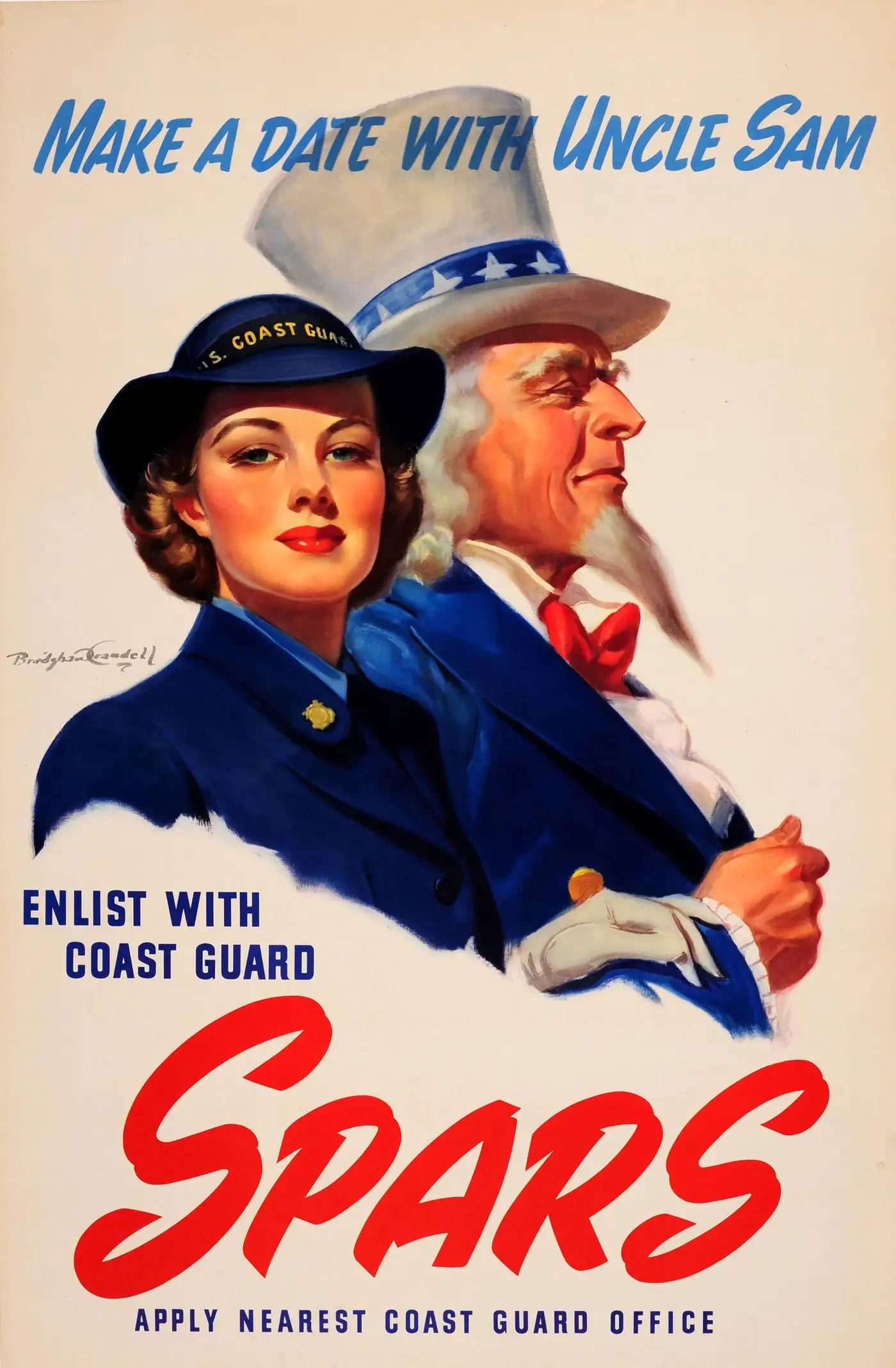
Uncle Sam was even seen as date-able as the US encouraged women to enlist with the Coast Guard during World War II.
But alas, even an Act of Congress wasn’t enough for us to celebrate Uncle Sam Day. In 1989, “Uncle Sam Day” became official. A Congressional joint resolution designated September 13, 1989, as “Uncle Sam Day”, the birthday of Samuel Wilson.
So this coming September 13, feel free to wear your star-studded top hat and stripedy trousers. And remember:


 The Historical Society of Sarasota County
That was in the Tribune yesterday!
>
LikeLike
Yes, Marie… that’s what inspired us to dig deeper!
LikeLike
Love this! You guys are the best!!! Keep up the great work!! Ali Kleber
LikeLike
Thanks Ali, always nice to be recognized. Hope to see you this season.
LikeLike